Unleashing Power: The Art of Devil Logo Illustration Design
The devil, a symbol deeply embedded in myth, folklore, and popular culture, carries a potent narrative weight. When translated into the deliberate and structured world of logo design, this archetype becomes a fascinating tool for visual communication. Devil Logo Illustration Design is not merely about creating a picture of a demon; it is the sophisticated process of harnessing the complex attributes associated with this icon—power, rebellion, fear, or even playful mischief—to forge a memorable and effective brand identity.
Why This Distinctive Symbol Matters for Your Brand
For professionals, entrepreneurs, and creators looking to establish a brand that stands out, a devil-inspired emblem can be a strategic choice. It goes beyond the superficial "scary" or "evil" connotations. At its core, this approach leverages a universally recognized graphic symbol to instantly communicate core brand values. Consider a competitive sports team named "The Hellions." A devil mascot logo, designed with aggressive angles and fiery elements, visually embodies tenacity, fierce rivalry, and unyielding spirit. It creates an immediate emotional connection with fans, fostering a sense of shared identity and power.
Similarly, in the gaming industry, a devil character logo for a game title or clan serves as a direct shorthand for challenge, dark fantasy, or antagonistic force. It sets a tone and expectations before a single word is read. For a heavy metal band or a horror-themed podcast, a well-crafted demon illustration acts as a perfect graphic sign, aligning the visual identity perfectly with the auditory experience. The benefit here is strengthened communication; the logo does the heavy lifting of conveying genre and attitude, saving precious marketing effort and creating consistency across platforms.
From Abstract Concept to Scalable Graphic Asset
A key practical advantage of focusing on Devil Logo Illustration Design lies in its foundation in vector-based illustration. Unlike a static image, a logo conceived as a scalable vector graphic—built from shapes, lines, and curves—offers immense flexibility. This means your devil icon, whether it features sharp horns, a stylized tail, or an abstract silhouette of a demonic head, can be rendered perfectly at any size. From a tiny social media favicon to a massive banner at a live event, the logo retains its crispness and impact. This directly increases efficiency and improves presentation across all media, from web to print to merchandise like tattoo-inspired apparel or team jerseys.
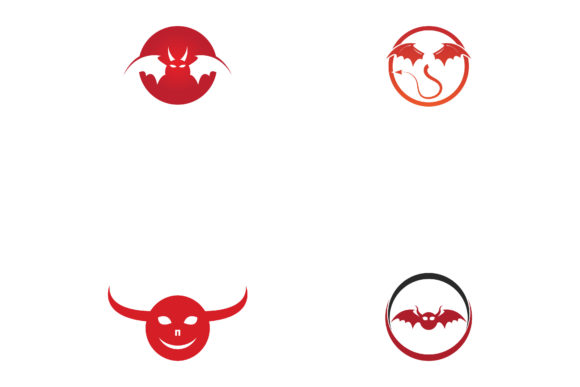
The process often begins with isolating the core elements you wish to emphasize. Is your brand's "devil" more about cute cartoon mischief for a Halloween event company, or is it about raw, angular power for a motorsport team? Designers might explore motifs like the trident, stylized horns, or a menacing face, often playing with the stark contrast of black and white for maximum graphic punch or incorporating red accents to evoke fire, hell, or urgency. This focused exploration simplifies decisions by providing a clear thematic direction, preventing the design process from becoming overly generic.
Navigating Tone: From Sinister to Playful
One of the most thoughtful considerations in Devil Logo Illustration Design is calibrating the tone. The same symbolic elements can convey vastly different messages. A devil logo for a children's Halloween carnival might use rounded shapes, a smiling face, and a comical tail, creating a cute character mascot that is engaging rather than frightening. Conversely, a logo for a security firm specializing in cyber threat prevention might use an abstract, shadowy demon head to symbolize its role in battling digital "monsters." This ability to dial the symbolism from horror to humor to abstract power allows brands to solve a specific problem: finding a unique visual niche within a crowded market.
For freelancers and small business owners in creative fields, using a devil logo template or commissioning a custom design can support creativity by providing a strong, thematic centerpiece. This central emblem can then inform the design of accompanying graphics, website elements, and marketing materials, ensuring a cohesive visual language that feels intentional and professional. It acts as a creative anchor.
Who Benefits Most from This Design Approach?
This design strategy is particularly resonant for entities whose core identity aligns with themes of defiance, extreme performance, dark fantasy, or controlled chaos. Sports teams (especially in combat sports or racing), esports gaming clans, entertainment brands in horror or metal music, and edgy lifestyle products can find a powerful ally in Devil Logo Illustration Design. It also serves event organizers for Halloween or horror conventions, where the logo becomes the immediate symbol of the event itself.
However, it’s crucial to consider fit. A devil-inspired logotype might be less effective for a brand seeking to communicate trust, serenity, or family-friendly values. The symbolism is inherently strong and directional. Brands should compare options and ensure that the use of a demon, satan, or monster icon aligns authentically with their long-term goals and audience expectations. In some global markets, the symbol may carry cultural sensitivities that require careful evaluation.
The Emblem Beyond the Logo: Extended Applications
The value of a well-executed Devil Logo Illustration Design often extends beyond the primary logo mark. The isolated icon, especially when designed as a clean, vector-based art piece, becomes a versatile graphic element. It can be used as a recurring pattern on packaging, as a watermark on content, or as a standalone emblem on merchandise like patches, pins, and stickers. For a publisher specializing in fantasy novels, this emblem on the spine of a book series creates a recognizable brand thread. For a content creator in the gaming space, a custom devil character logo becomes the face of their channel, enhancing memorability and fan loyalty.
Ultimately, Devil Logo Illustration Design is a specialized discipline within brand identity creation. It offers a path to forge a bold, communicative, and highly scalable visual symbol that taps into deep-seated cultural narratives. By focusing on the practical execution—vector art, tone calibration, and thematic consistency—creators and businesses can harness this powerful graphic concept to build identities that are not only visually striking but also rich in meaning and perfectly aligned with their strategic ambitions.