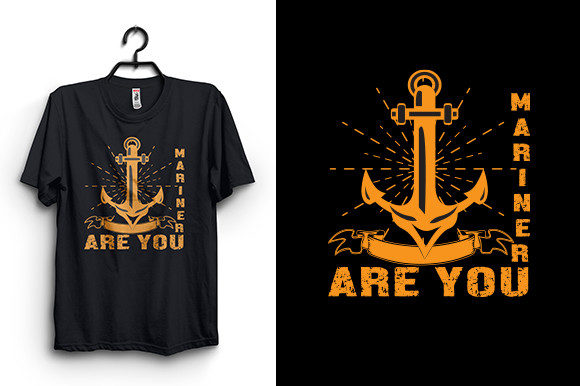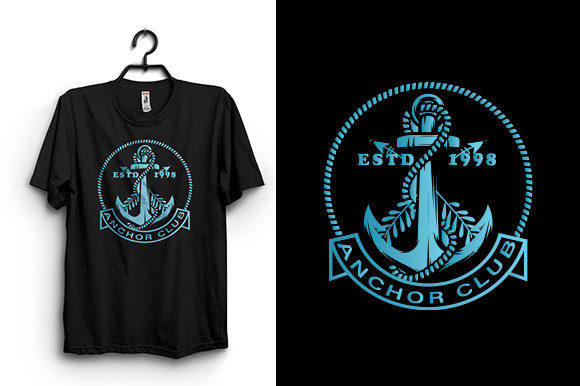
The Marine Anchor: A Core Principle for Navigating Creative Workflows
In the world of design and production, especially for merchandise like t-shirts, consistency and adaptability are paramount. The concept of a Marine Anchor serves as a powerful metaphor for this necessity. In nautical terms, an anchor provides stability, security, and a fixed point of reference, allowing a vessel to hold position despite changing tides and currents. In creative and shipping workflows, a Marine Anchor represents the foundational, high-quality design asset that ensures stability throughout the production process. It is the central, unchanging element from which all variations and implementations derive, guaranteeing that the final product remains true to the original vision regardless of format, color, or scale.
Establishing Your Design Anchor in the Planning Phase
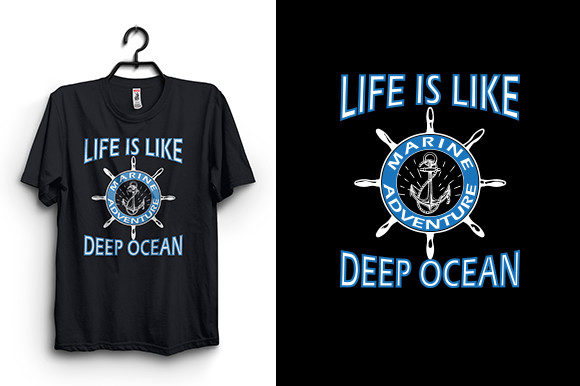
Before any creative project sails into production, establishing a reliable anchor is critical. For a Creative Shipping Anchor T-Shirt design, this begins with the creation of a premium, vector-based master file. This file acts as your Marine Anchor. A design delivered as a 100 Vector T-shirt design set, with high-quality 4500×5400 px files and support in AI CS, EPS CS, PNG 300 dpi, and SVG formats, is not merely a collection of images. It is a comprehensive, scalable system. This preparation phase involves defining the core artwork—the anchor symbol itself—with clean lines, balanced composition, and intentional negative space. This ensures the design remains effective whether rendered in stark black and white or vibrant color.
Professionals, entrepreneurs, and small business owners understand that rushing to production without a solid anchor leads to drift. Compatibility is a key consideration. The provided Ai CS version and EPS CS version serve as the true editable anchors, compatible with industry-standard software, allowing for seamless integration into broader workflows that might involve marketing mockups, website assets, or additional product variations. By investing in this high-quality anchor file at the outset, you mitigate risks related to quality control and consistency later.
Integration and Adaptation During the Execution Phase
Once the Marine Anchor design file is secured—well-organized and compressed in one ZIP file for efficient distribution—it integrates into the active phases of your project. This is where the principle of easy change without quality loss proves its value. Consider a blogger or educator who wishes to use the anchor design across a series of merchandise for different events or audiences. The need might arise to change the background color of the t-shirt from black to heather grey, or to overlay the design on a different garment template.
Because the core asset is a vector file, these changes are straightforward. The anchor design itself does not degrade, pixelate, or lose detail. You can extract a PNG 300 dpi file for quick digital use in a campaign, while simultaneously sending the SVG file to a print vendor for physical production. This interoperability between tools and platforms is essential. The anchor interacts not with isolation, but as a flexible component within a larger system involving e-commerce platforms, printing software, and communication with manufacturers. Its usability across contexts—from a freelancer’s quick web graphic to a publisher’s bulk order for a book launch—is ensured by its foundational quality.
Practical Implementation in a Merchandising Workflow
Let’s outline a practical scenario. A small business owner has developed a brand centered around maritime themes. They purchase a premium package including the Marine Anchor design. Their workflow might proceed as follows:
- Asset Reception & Organization: They receive the ZIP file. The first step is to unpack and catalog the files—the AI master, the EPS, the high-resolution PNG, and the SVG—into their designated digital asset management system. This organization prevents future confusion and speeds up retrieval.
- Prototyping & Mockups: Using the PNG 300 dpi file, they quickly generate t-shirt mockups in various colors using online design tools to gauge audience reaction on social media or their website. The high resolution ensures the mockups look professional.
- Final Production Preparation: After deciding on a final color scheme, they open the Ai CS version. They may make minor, non-destructive adjustments, such as isolating the anchor artwork to place on a hat or tote bag. Because the file is vector, scaling down for a hat badge or up for a banner does not require recreating the design.
- Vendor Communication & Shipping: They deliver the appropriate file (often the SVG or EPS for professional printers) to their chosen manufacturer. The 300dpi specification and large pixel dimensions (4500×5400 px) meet virtually any printer’s requirements, preventing delays or quality complaints. The consistent anchor design now ships out on physical products, just as the digital anchor stabilized the entire process.
This process-oriented approach highlights efficiency. The Marine Anchor asset reduces repetitive tasks, eliminates the need for multiple design versions for different uses, and provides a single point of truth for the creative element.
Long-Term Use and Quality Control
The value of a Marine Anchor extends beyond a single project. For marketers, content creators, and hobbyists building a long-term brand, these assets become part of a reusable library. The durability of a vector-based anchor design means it can be employed seasonally, for anniversary sales, or for new product lines years after its initial creation. This supports long-term brand consistency, a key component of customer recognition and trust.
Quality control is inherently baked into the process when starting with a premium quality design. By centralizing changes around the master anchor file, you avoid the common pitfall of having scattered, degraded JPEG copies of a design that each get altered slightly, leading to inconsistent branding. Any future designer or team member can return to the original ZIP file, access the AI or EPS version, and know they are working with the authoritative source. This is crucial for collaborative environments involving multiple freelancers or agency teams.
Observations on Flexibility and Outcome
A key observation for practical implementation is that the Marine Anchor philosophy shifts the focus from creating numerous designs to creating one excellent, adaptable design. The outcome is not just a t-shirt, but a streamlined workflow. Educators might use the same anchor design on t-shirts for a seminar, on PNG files for presentation slides, and on SVG files for custom awards, all while maintaining a cohesive professional appearance. The efficiency gained allows more time and resources to be directed toward marketing, customer service, or the development of complementary products.
Furthermore, this approach interacts positively with decision-making. When purchasing design assets, the criteria shift from mere quantity (100 designs) to the underlying quality and flexibility of each offering. Understanding that a design package includes well-organized, multi-format files based on a vector anchor informs a smarter purchasing decision, aligning with the needs of productivity-minded users who value tools that serve multiple purposes over time.
Smooth Integration into Diverse Routines
Integrating a Marine Anchor-type asset into your routine requires a modest shift in mindset. It encourages establishing a “digital dockside” where your core creative assets are stored and managed. For the entrepreneur, this might be a specific folder in cloud storage. For the creative professional, it could be a dedicated project in Adobe Illustrator. The goal is to treat these anchor files as the primary resource, and to default to using them—rather than derived copies—for any new application.
Start by auditing your current design usage. If you frequently resize, recolor, or repurpose logos or artwork, and find quality suffering, adopting an anchor system is the solution. Procure or create your key designs in vector format from the beginning. Then, map out your common output needs: social media graphics (PNG), physical print (SVG/EPS), and future editable needs (AI). By routing all these outputs back to the single anchor file, you create a resilient, efficient, and quality-assured workflow that can withstand the changing tides of creative demands, market trends, and production challenges. The Marine Anchor, therefore, is more than a design; it is a methodology for enduring, adaptable creativity.